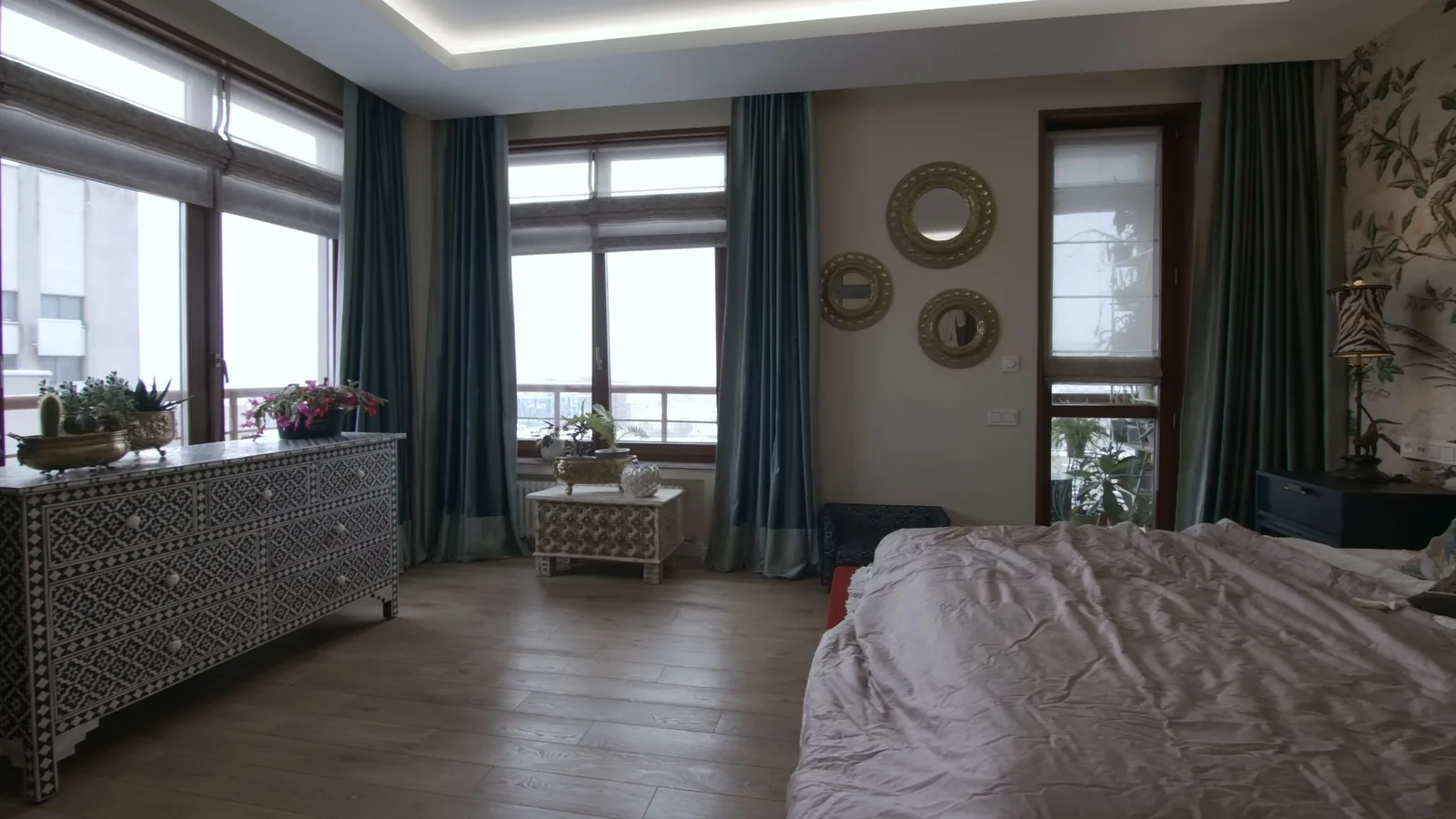
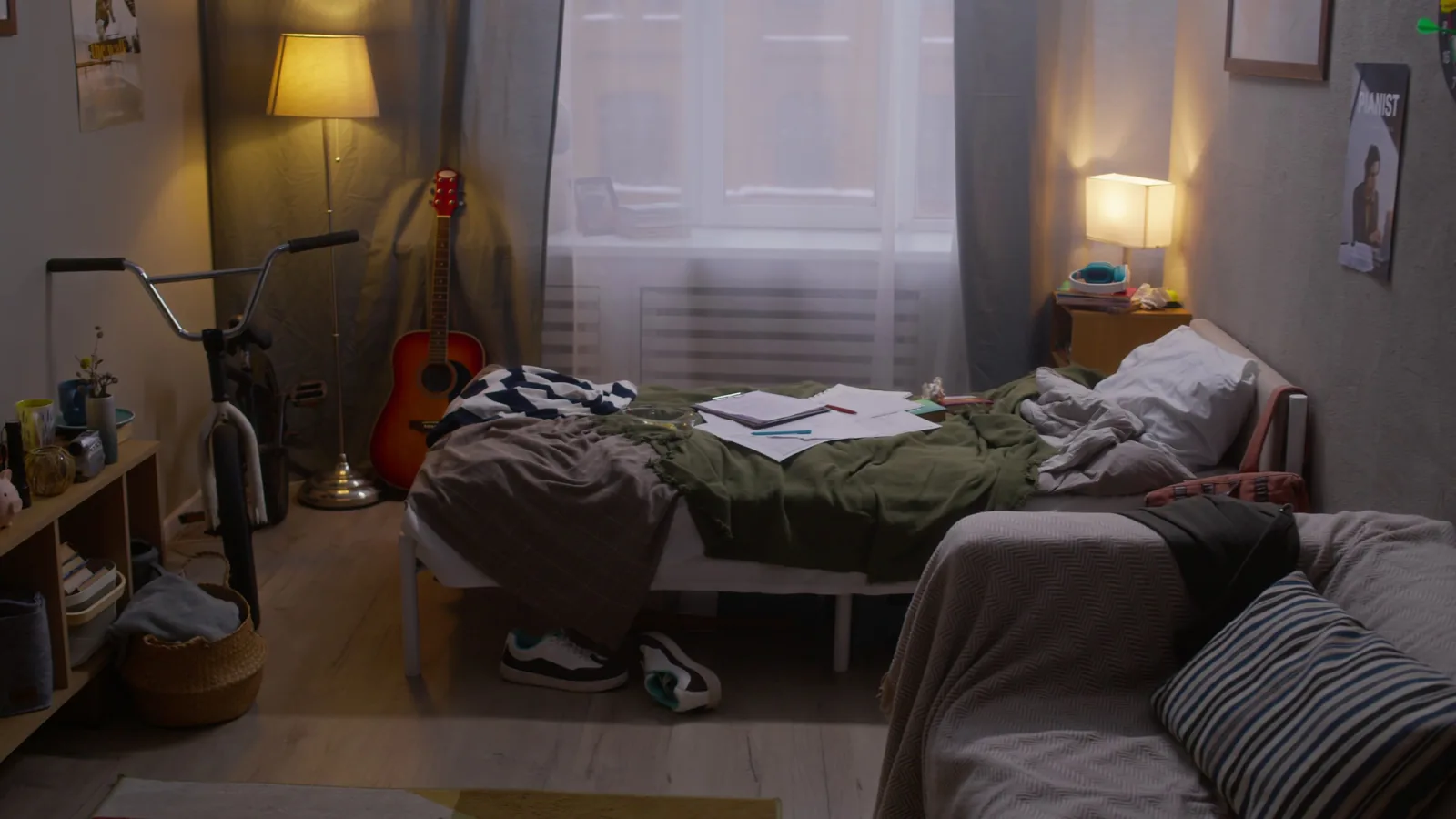
How To Design A Kid Friendly Family Room
A practical step-by-step guide to How to design a kid friendly family room, including preparation, instructions, common issues, tips, and next steps.

How To Design A Kid Friendly Family Room
A kid friendly family room balances play, rest, and storage so children can move freely while adults keep the space calm and orderly. The goal is a room where toys are reachable, furniture is stable, surfaces wipe clean, and everything has a home. This guide walks through planning, safety checks, zones, storage, and small adjustments that keep the room usable as children grow.
Fast Answer
- Start by deciding how the room will be used daily, then anchor the layout around one soft play zone, one quiet zone, and one storage wall.
- Round edges, secure tall furniture to the wall, cover outlets, and choose washable fabrics before you add any decorative items.
Before You Start
- Measure the room and note doors, windows, heaters, and outlets so you can place furniture without blocking exits or traffic paths.
- Write a short list of daily activities such as building, reading, drawing, and resting, then rank the top three so the layout supports real routines.
- Choose a durable floor covering and washable seat fabrics that can handle spills, crumbs, and craft materials without special cleaning.
- Gather child-height bins, a low shelf, cabinet latches, corner cushions, and cord covers so safety and storage are ready before setup day.
Step-by-Step Instructions
Plan daily routines and zones first
Begin by watching how your family actually uses the room for one week. Note where children build, where they read, where adults sit, and where clutter collects. Then draw a simple floor plan with three zones: active play, quiet activity, and shared seating. Keep the active zone away from windows and hard corners, and put quiet seating near a wall with good light. Place storage between zones so toys can be returned without crossing the whole room. Before moving furniture, walk the plan with a measuring tape and check that each path stays clear for two people. This check matters because a layout that looks fine on paper can block a doorway or squeeze a play area once real furniture arrives.
Anchor furniture and clear hazards
Secure every tall or heavy item, including bookcases, dressers, and media stands, to a wall stud or a suitable anchor rated for the item's weight. Cover unused outlets with sliding plates, route cords behind furniture or inside a cord channel, and remove looped blind cords. Check floor level for sharp toy pieces and loose rugs that slide. Then look at the room from a child's height by kneeling at the center and scanning for reachable hazards. Before you finish, gently push each tall piece to confirm it does not move. This check matters because a piece that shifts even slightly under a child's weight can tip, and anchoring is the single most effective prevention step you can take.
Choose safe, washable surfaces
Select finishes that tolerate daily life. For floors, a low-pile rug with a non-slip pad is easier to clean than deep shag and less likely to trip a running child. For seating, choose tightly woven fabrics or wipeable covers, and add removable, machine-washable throws where children snack. For tables, pick rounded edges or add corner guards, and avoid glass tops in the play zone. Test a small sample of any fabric or finish with a damp cloth and a mild cleaner before committing. This check matters because a surface that stains or pills after one spill will push you toward constant supervision instead of relaxed use. Keep a small cleaning kit in the room so spills are handled quickly.
Build storage children can use
Storage only works when a child can reach it. Install low, open bins for everyday toys and label each with a picture and a word. Reserve higher shelves for adult items or rotate toys in closed containers. Use one bin per toy category, such as blocks, art supplies, and pretend play, and keep the count small so cleanup stays simple. Place a shallow tray for small parts and a lidded box for items that must stay contained. Before you call it done, ask a child to put three toys away while you watch. This check matters because if a child cannot finish the task easily, the system will fail and clutter will return to the floor within days.
Set lighting and comfortable seating
Layer lighting so the room works for play, reading, and winding down. Use a bright overhead or ceiling light for active times, a focused lamp for tables, and a warm dim lamp for evening calm. Keep lamps on stable surfaces and route their cords out of walkways. Add seating at two heights: floor cushions or a low bench for children and a supportive chair for adults. Confirm every seat is stable when a child climbs on or off it. This check matters because poor lighting causes squinting and accidents, while unstable seating invites falls. Adjustable light levels also help children shift from energetic play to quiet time without a hard transition.
Review, adjust, and maintain monthly
Once the room is set up, do a short monthly review. Walk the space and note what children ignore, what breaks, and what always ends up on the floor. Tighten any loose anchors, replace worn corner guards, and remove toys with cracks or missing parts. Refresh labels when a child outgrows a category, and move storage lower as children grow taller. Keep a small repair kit with felt pads, screws, and spare batteries in a locked drawer. Before you finish each review, test one safety item, such as an anchor or outlet cover, with your own hands. This check matters because small failures happen quietly over time, and a brief monthly habit catches them before they become a hazard.
Quick Reference
| Situation | Action | Why it helps |
|---|---|---|
| A child keeps pulling a tall shelf while reaching for toys. | Move the tempting items to a low bin, anchor the shelf to a wall stud, and place heavier items on the bottom shelf. | Lowering the desired items removes the reason to climb, while anchoring stops the shelf from tipping if a child still pulls on it. |
| Small toys end up scattered across the whole room every evening. | Create one labeled bin per toy type, place them at child height, and run a two-minute cleanup with a song before dinner. | A short, predictable routine with reachable bins makes cleanup a habit instead of a battle and keeps small parts from spreading. |
| The room feels crowded and children bump into furniture while playing. | Remove one piece of furniture, widen the main walking path to a full arm's width, and recheck the layout at child height. | Open floor space reduces collisions and gives children room to move safely, which matters more than filling every wall. |
Common Issues
- Toys cover the floor no matter how many bins you buy.: Reduce the number of available toys to one bin per category, label each bin with a picture, and rotate the rest into closed storage. A smaller, reachable set is easier for a child to sort, and rotation keeps interest high without adding clutter.
- A bookshelf or media unit wobbles when a child leans on it.: Empty the unit, attach it to a wall stud with a rated anchor, and reload heavier items on the bottom. Test it with a firm push before use, because an unanchored tall unit is a serious tipping risk for climbing children.
- Cords and outlets stay within a crawling child's reach.: Cover unused outlets, route cords inside a channel or behind furniture, and secure loose lengths with clips. Recheck the area from floor level, since a cord that looks tidy from standing height can still loop within reach.
Advanced Tips
- Create a quiet corner with a soft rug, a low lamp, and one small shelf so a child can calm down without leaving the shared room.
- Use open baskets at floor level for daily toys and closed boxes for rotating items, which keeps the room visually calm while everything stays accessible.
- Add a washable mat under the art table and keep a small caddy of supplies, so craft time stays contained and cleanup takes only a minute.
Final Checklist
- Every tall or heavy piece is anchored, does not wobble, and has heavier items stored on the bottom.
- Outlets are covered, cords are routed out of reach, and blind or curtain cords are secured.
- Daily toys sit in labeled bins a child can reach, and a simple cleanup routine is in place.
- Walking paths are clear, lighting works for play and rest, and no sharp corners sit in the active zone.
FAQ
How do I keep a family room tidy with young children?
Keep only a small set of toys available in labeled, reachable bins, and rotate the rest into closed storage. Build a short cleanup routine into the day, such as two minutes before dinner, so tidying feels normal rather than like a punishment. Fewer accessible items means less to sort, and children can manage the task themselves as they grow.
What safety steps matter most in a kid friendly family room?
Anchor tall furniture to the wall, cover unused outlets, secure cords, and remove small choking hazards from floor level. Choose stable seating and rounded tables, and check the room from a child's height. These steps reduce the most common injuries, and a monthly review catches loose anchors or worn guards before they fail.
How can I make the room work as children grow?
Choose adjustable furniture, keep storage modular, and refresh labels as skills change. Move bins lower for toddlers and raise them for older children, and replace the play zone with a study or hobby area over time. A neutral base with flexible pieces means you update small parts instead of redesigning the whole room each year.