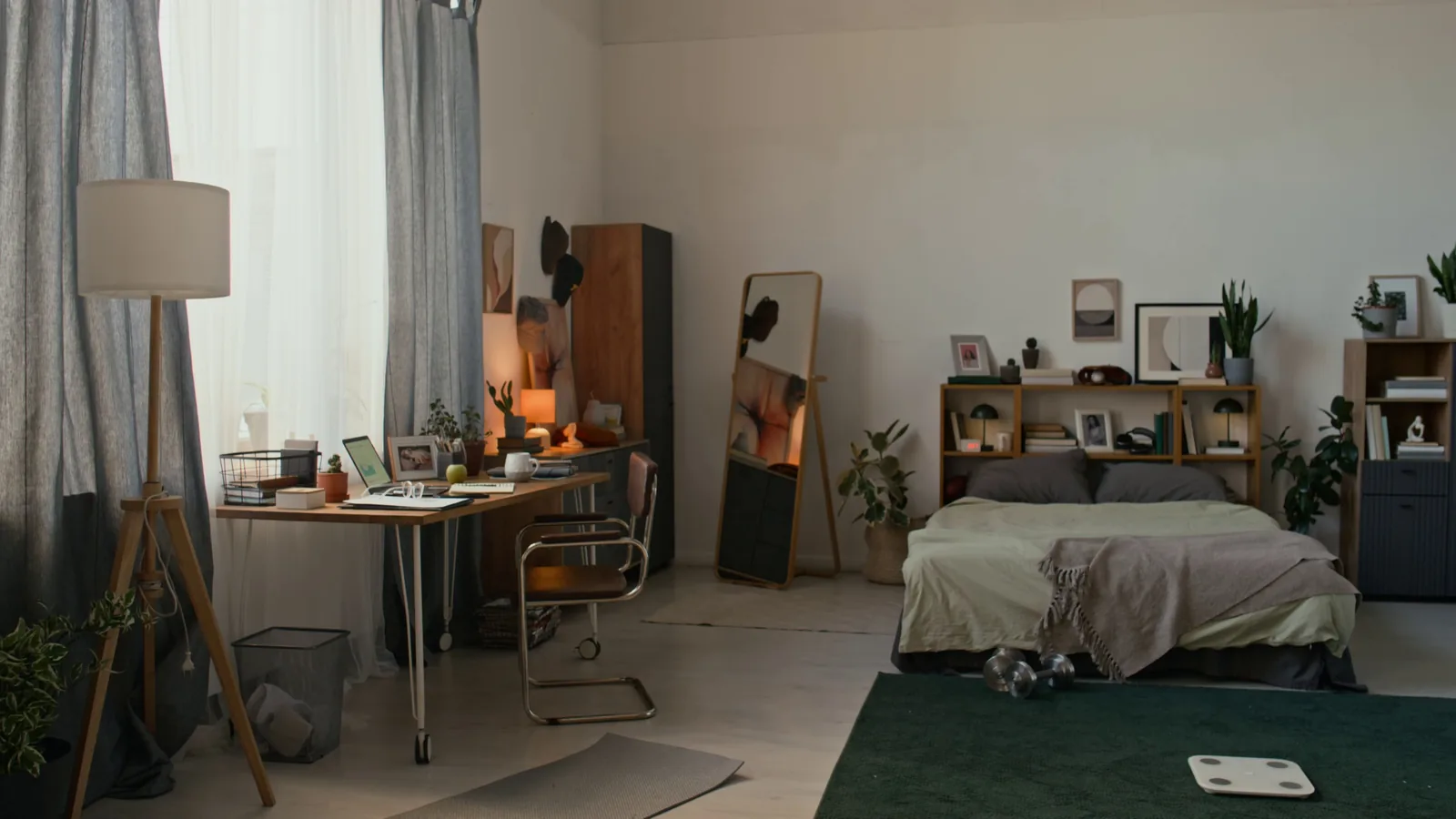
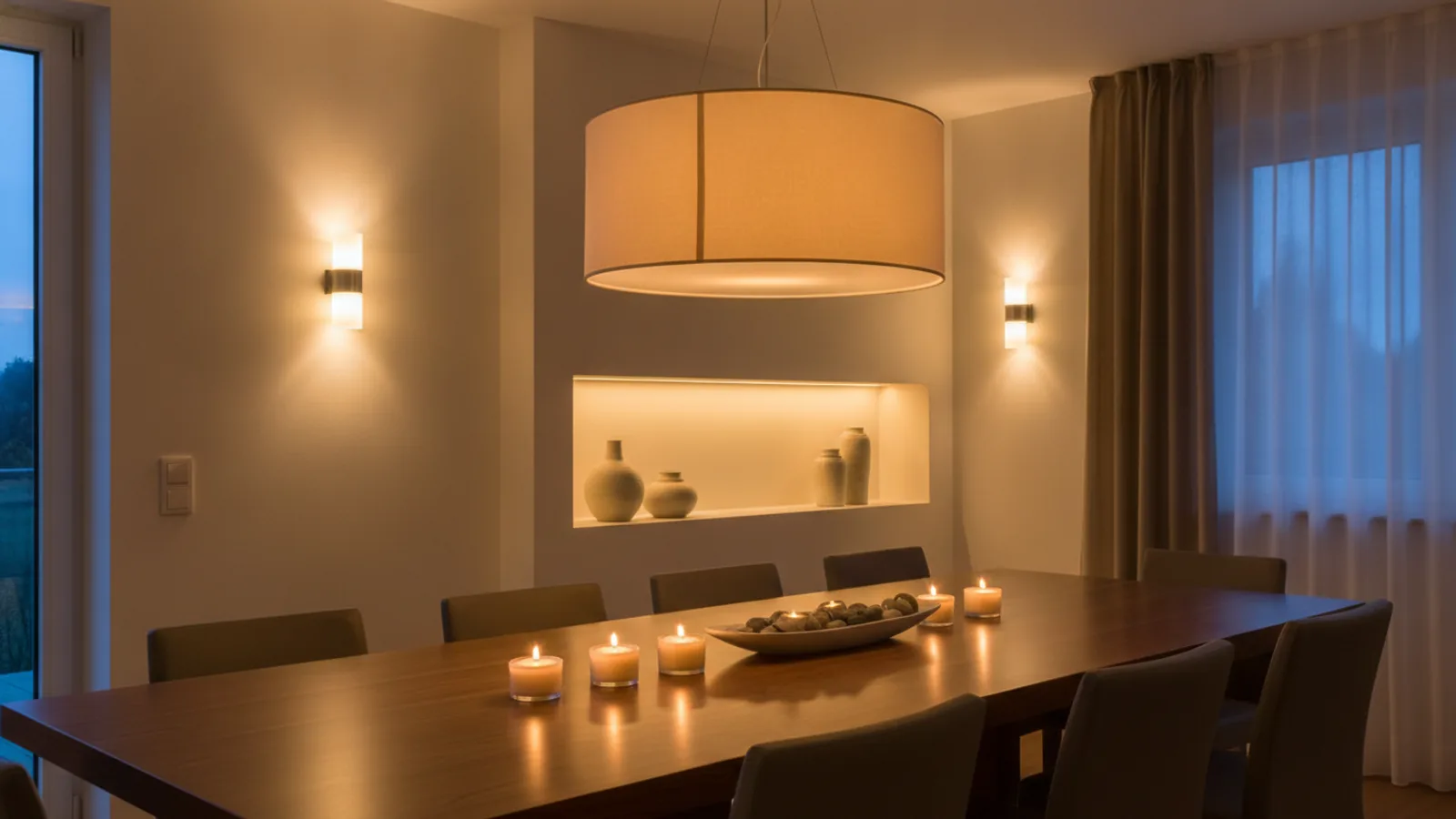
How To Create A Cozy Bedroom Retreat
A practical step-by-step guide to How to create a cozy bedroom retreat, including preparation, instructions, common issues, tips, and next steps.

How To Create A Cozy Bedroom Retreat
Creating a cozy bedroom retreat is about turning your sleeping space into a calm, comforting sanctuary that helps you rest and recharge. By focusing on soft textures, warm lighting, and a clutter-free layout, you can design a room that feels like a personal escape from daily stress.
Fast Answer
- Start by decluttering and deep cleaning your bedroom to create a blank canvas for cozy additions.
- Layer soft textiles like throw blankets and area rugs, then adjust lighting to warm, dimmable sources for instant comfort.
Before You Start
- Clear all surfaces, including nightstands, dresser, and floor, removing items that don't belong in a restful space.
- Wash bedding, curtains, and any washable fabrics to refresh the room and remove dust or allergens.
- Gather cozy items you already own, such as extra pillows, blankets, and soft throws, to see what you can reuse.
- Test your current lighting and identify any harsh overheads that can be replaced with softer options.
Step-by-Step Instructions
Declutter and Deep Clean
Begin by removing everything from your bedroom except essential furniture. Sort items into keep, donate, and relocate piles. Be ruthless: if it doesn't help you relax or sleep, it likely doesn't belong. After clearing, dust all surfaces, vacuum carpets and under the bed, and wipe down windows and mirrors. This step is crucial because a clean, empty space gives you a fresh start and reduces visual noise. A practical check is to look at each surface: can you see clear space? If not, keep decluttering. Why this matters: clutter can increase stress and make it harder to unwind, so a tidy room is the foundation of a cozy retreat. Once clean, you'll better see the room's potential and can plan your cozy additions.
Choose a Calming Color Palette
Select a color scheme that promotes relaxation. Soft neutrals like warm beige, gentle gray, or muted earth tones work well, as do soft blues and greens. Avoid bright, stimulating colors unless used sparingly as accents. If you can't paint, incorporate colors through bedding, curtains, and throw pillows. To test your palette, gather fabric swatches or paint samples and view them in different lighting throughout the day. A practical check is to ensure no color feels jarring or overly bold when you walk in. Why this matters: color affects mood, and a harmonious palette creates a seamless, soothing atmosphere. Once chosen, apply it consistently to walls, textiles, and decor for a cohesive look that feels intentional and restful.
Layer Soft Textiles for Comfort
Add coziness through layers of soft fabrics. Start with a plush area rug beside the bed to warm bare floors. Choose bedding with a high thread count or soft materials like cotton, linen, or microfiber. Add a duvet or quilt, then layer a throw blanket at the foot of the bed. Include multiple pillows in different sizes and textures for visual interest and comfort. For windows, hang curtains that are thick enough to block drafts and light, but still allow some softness. A practical check is to lie on the bed and feel if the fabrics invite you to stay. Why this matters: textures stimulate the senses and can make a room feel instantly more inviting and comfortable. Ensure each layer serves a purpose, whether warmth, softness, or visual appeal.
Adjust Lighting for Warmth
Replace harsh overhead lighting with warm, dimmable options. Use bedside lamps with soft white bulbs, and consider adding string lights or LED candles for a gentle glow. If you have overhead fixtures, install dimmer switches or use low-wattage bulbs. Aim for multiple light sources at different heights to create a layered effect. A practical check is to turn on all lights and see if the room feels cozy or clinical; if it's too bright, reduce wattage or add shades. Why this matters: lighting sets the mood, and warm, dim light signals to your brain that it's time to relax. Avoid blue-toned lights in the evening, as they can interfere with sleep. Adjust until you can read comfortably but still feel sleepy.
Add Personal Touches and Calming Scents
Incorporate items that bring you joy, such as framed photos, artwork, or a small plant. Keep decor minimal to avoid clutter. Introduce calming scents with a diffuser, essential oils, or a simmer pot. Lavender, chamomile, and cedarwood are known for their relaxing properties. If you use candles, choose natural wax and never leave them burning unattended. A practical check is to stand in the doorway and see if the room feels personal and peaceful without being busy. Why this matters: personal touches make the space feel like yours, while scents can trigger relaxation and improve sleep quality. Rotate decor seasonally to keep the room feeling fresh and aligned with your mood.
Organize for Function and Flow
Ensure your bedroom supports rest by organizing essentials within reach. Keep nightstands clear except for a lamp, a book, and a glass of water. Use storage baskets or under-bed bins for extra blankets and pillows. Arrange furniture to allow easy movement around the bed, ideally with clear paths to the bathroom and door. A practical check is to walk through the room in the dark; if you bump into things, rearrange. Why this matters: a well-organized room reduces stress and makes it easier to relax because you're not navigating obstacles. Also, keep electronic devices out of the bedroom or silence them to minimize distractions. A calm, functional layout helps you unwind and stay asleep.
Quick Reference
| Situation | Action | Why it helps |
|---|---|---|
| You wake up with a stiff neck or poor sleep. | Evaluate your pillow and mattress; replace pillows that are too flat or too high, and consider a mattress topper for added softness. | Proper support aligns your spine and reduces tension, leading to more restorative sleep and a cozier feel. |
| Your bedroom feels cold and uninviting. | Add a warm throw blanket on the bed, place a soft rug on the floor, and switch to warm white light bulbs in your lamps. | Layering textiles and adjusting light color instantly makes the space feel warmer and more snug. |
| You can't relax because of outside noise. | Hang thick curtains or install a white noise machine, or use a fan to create consistent background sound. | Reducing sudden noises helps your brain settle, making it easier to fall and stay asleep. |
Common Issues
- The room feels cluttered even after tidying.: Adopt a weekly reset: spend ten minutes each day putting items back in their place, and use closed storage like bins or baskets to hide everyday items. This prevents buildup and maintains a calm environment.
- Lighting is too harsh or too dim.: Install dimmer switches or use smart bulbs that can change warmth. For dim areas, add a floor lamp or string lights. Aim for layered lighting so you can adjust based on activity and time of day.
- Textures feel mismatched or overwhelming.: Stick to a cohesive theme: choose one primary texture (like cotton) and add one contrasting texture (like faux fur) for balance. Remove any fabrics that feel scratchy or don't fit the color scheme.
Advanced Tips
- Use a sound machine with nature sounds to mask disruptive noises and create a consistent auditory environment that signals relaxation.
- Incorporate a sleep mask and blackout curtains to completely darken the room, which can improve melatonin production and sleep quality.
- Rotate your decor seasonally: switch to lighter linens and floral scents in spring, and heavier blankets and warm spices in fall for year-round coziness.
Final Checklist
- All surfaces are clear of clutter, and every item has a designated home.
- Lighting is warm, layered, and adjustable with dimmers or low-watt bulbs.
- Textiles are soft, clean, and layered for comfort, including a rug and throw blankets.
- Personal touches and calming scents are present without overwhelming the space.
FAQ
How can I make my bedroom cozy on a tight budget?
Focus on what you already have: rearrange furniture for better flow, wash and fluff existing bedding, and swap in softer light bulbs. Shop your home for blankets and pillows from other rooms. You can also make simple DIY items like a rice-filled heating pad or a homemade linen spray with water and a few drops of lavender oil. Small changes like decluttering and dimming lights cost nothing but make a big difference.
What colors are best for a cozy bedroom?
Warm neutrals like beige, taupe, and soft gray are excellent, as are muted earth tones like terracotta and sage. Cool colors like soft blue or green can also work if they are not too saturated. Avoid bright, primary colors unless used in small accents. The key is to choose colors that feel soothing to you. Test paint samples on the wall and see how they look at different times of day before committing.
How do I keep my bedroom cozy during summer?
Swap heavy blankets for lightweight cotton or linen throws, use a fan to circulate air, and choose breathable bedding like percale sheets. Keep curtains closed during the hottest part of the day to block heat, and open windows at night for cross-ventilation. Add a calming scent like eucalyptus or mint to create a cooling atmosphere. You can still maintain coziness with soft textures and warm lighting, just adjust the weight of fabrics.