How To Choose A Weekend Home Reset With Realistic Priorities
A practical step-by-step guide to how to choose a weekend home reset with realistic priorities, including preparation, instructions, common issues, tips, and next steps.

How To Choose A Weekend Home Reset With Realistic Priorities
A weekend home reset is a short, intentional session to restore order without turning your entire weekend into a chore. The key is to set realistic priorities, focus on high-impact tasks, and finish with a sense of accomplishment. This guide helps you choose what to tackle, prepare efficiently, and follow a clear sequence so you can reset your living space and your mind.
Fast Answer
- List your top three stressors at home and target one task for each—this keeps your reset meaningful and manageable.
- Time-box your reset to two hours on Saturday morning, then stop and enjoy the rest of your weekend.
Before You Start
- Walk through each room and jot down the one thing that bothers you most—this becomes your priority list.
- Gather a donation bag, a trash bag, and a 'relocate' box so you can sort quickly without breaking focus.
- Set a timer on your phone or a kitchen timer for 25-minute bursts with 5-minute breaks to keep momentum.
- Tell your household your starting and ending times so they know when to respect your reset zone.
Step-by-Step Instructions
Pick Your Top Three Trouble Spots
Start by standing in the center of your living space and doing a slow turn. Notice the areas that raise your stress level—maybe it is the pile of mail on the counter, the laundry mountain in the hallway, or the cluttered coffee table. Write down these three spots on a piece of paper. Do not try to fix everything; just identify the top three that have the biggest impact on your daily comfort. Once you have them, rank them in order of what bothers you most. This quick mental sort ensures your weekend reset targets the places that matter, not the ones that are merely untidy. The check that matters is to ask yourself: 'If I fix these three spots, will I feel a relief when I walk through the door?' If the answer is yes, you have chosen well. This choice is crucial because your energy is limited—spending it on the right tasks makes you feel successful and motivated to repeat the reset.
Sort Items Using the Three-Box Method
Bring your three boxes or bags to your first trouble spot: a trash bag for obvious waste, a donation box for items you no longer use but are in good condition, and a 'relocate' bin for things that belong in another room. Now, pick up each item only once and decide its fate immediately. If an item is broken or expired, toss it. If you have not used it in a year and it is still usable, put it in the donation box. If it belongs elsewhere, put it in the relocate bin and commit to placing it in its proper home after you finish sorting. The critical check is to not spend more than a few seconds deciding on each item—indecision stops momentum. This method works because it creates a clear decision tree. You avoid the common trap of holding a knickknack and thinking, 'Maybe I'll need this.' Instead, you quickly categorize and move on, turning a vague tidying session into a decisive process that makes visible progress in minutes.
Tackle Your Number One Spot in 25 Minutes
Set a timer for 25 minutes and focus exclusively on the highest-priority trouble spot you identified. Put your phone in another room or at least face-down and silent. Clear the surfaces first—use a damp cloth to wipe down the counter, table, or shelf. Then, handle the items you have sorted: take the relocate bin and put each item in its designated room. If the bin is too heavy, carry it around the house once and finish the job quickly. After the timer rings, stop and assess. The check is to ask: 'Can I see the surface now?' If yes, you have succeeded. If no, repeat a single 25-minute session, but do not extend beyond a second session on the same spot. This time limit prevents you from going down a rabbit hole—you are not trying to reorganize the entire closet, just to restore function to the main area. Ending with a visible clear surface gives you a morale boost that fuels the rest of your reset.
Repeat for the Second and Third Spots
Now apply the same 25-minute focus to your second and third trouble spots. You might find that the skills you used on the first spot—quick sorting, decisive tossing, and rapid relocation—speed up your work. Resist the temptation to go back and refine the first spot; that is the enemy of progress. When you move to the second spot, you will likely find items that belong in the first spot—just put them in your relocate bin and keep going. After each block, do a 5-minute break to stretch and drink water. The check for each spot is simple: 'Is it functional?' For a counter, that means you can prepare food; for a hallway, you can walk through without stepping over items; for a coffee table, you have one clear spot to set a mug. This check matters because a reset is not about perfection—it is about making the space work for you again. By completing all three spots, you transform the most stressful zones, which creates a ripple effect of calm throughout your home.
Do a Ten-Minute Rapid Reset for High-Traffic Areas
After your three main spots, take ten minutes to do a quick pass through the rooms where you spend the most time—like the kitchen, living room, and bathroom. This is not a deep clean; it is a surface reset. Fluff the pillows, fold the throw blanket, put the remote back on the stand, wipe the sink, and hang the hand towel straight. The goal is to make these rooms feel instantly tidier. Use a single timer for the whole pass and move quickly between rooms. The check is to pause at each doorway and ask: 'Does this room look like someone cares about it?' If you see a small pile or a stray item, spend no more than one minute correcting it. This ten-minute sprint is powerful because it addresses the visual noise that you see all day. When you walk into a tidy kitchen or a neat living room, your brain registers it as a peaceful environment, which reduces stress without requiring a full-house overhaul. Even imperfect rooms can feel calm if the main surfaces are clear.
Close the Reset with a Five-Minute Wind-Down
The final step is to close your reset session deliberately. Sit down in your main living area for five minutes, without distractions. Look around and notice the cleared spaces you created. Then, write down three things you have accomplished on a sticky note or a scrap of paper—for example, 'cleared the kitchen counter' or 'donated a bag of clothes.' Place this note where you will see it tomorrow morning. The check is to ask yourself: 'Do I feel a sense of accomplishment?' If yes, you have done enough. If no, remind yourself that a two-hour reset is a success, not a failure. This wind-down matters because it helps your brain register progress. Without it, you may feel like you did nothing, which drains motivation. By acknowledging your work, you reinforce the habit of resetting. This positive closure makes you more likely to repeat the process next weekend, turning a simple reset into a sustainable routine that keeps your home manageable and your mind clear.
Quick Reference
| Situation | Action | Why it helps |
|---|---|---|
| You have only one hour before a guest arrives. | Focus on the entryway, living room, and bathroom sink: clear surfaces, fluff pillows, and put the toilet lid down. Put other rooms out of mind, and set a 20-minute timer for each zone. | These are the areas guests actually see and use first. Concentrating on them gives the strongest visual impact in a short time, which is what your energy should be spent on. |
| You have a huge pile of miscellaneous items on a table and you feel overwhelmed. | Take a photo, then pick up each item and assign it to one of three boxes: trash, donate, or relocate. Do not allow more than 3 seconds per item. Then place the relocate box in a central spot and put one item away each time you pass it. | Breaking a large pile into small, instant decisions makes it manageable. The photo gives you a baseline, and forced speed prevents analysis paralysis, which is what makes piles feel insurmountable. |
| After a long week, you are exhausted and have zero motivation to reset. | Start with a single 10-minute session that targets the most visible spot, like the kitchen counter. Set a timer, play energizing music, and keep your feet moving. When the timer rings, stop and allow yourself one day off. | Motivation often follows action. A tiny, time-boxed effort lowers the barrier to start, and completing it gives you a small win that can snowball, but you also respect your limits to avoid burnout. |
Common Issues
- You start sorting but keep getting distracted by memories or side tasks.: Create a rule: if an item makes you stop to think for more than 5 seconds, put it in a 'maybe' box and set a deadline to decide later. Also, keep your phone out of reach and have a notepad to write down any tasks that pop into your head, then return to them after the reset.
- You feel that two hours is not enough to reset even three spots.: Check whether you are trying to perfect rather than reset. If you are scrubbing grout or alphabetizing books, you are overdoing it. Use your timer to enforce a 'good enough' standard. If a spot truly needs more time, schedule a separate deep-clean session, not your weekend reset.
- After the reset, things get messy again within a day.: Create a simple daily habit: before bed, spend five minutes putting any stray items in a basket. This is not tidying—it's a catch-all for the day's clutter. Then, once a week, empty that basket into its proper places. This two-step system keeps the reset results lasting longer.
Advanced Tips
- Use a 'one-touch rule': when you pick up an item, you must either put it away, throw it away, or give it away—no setting it down for later.
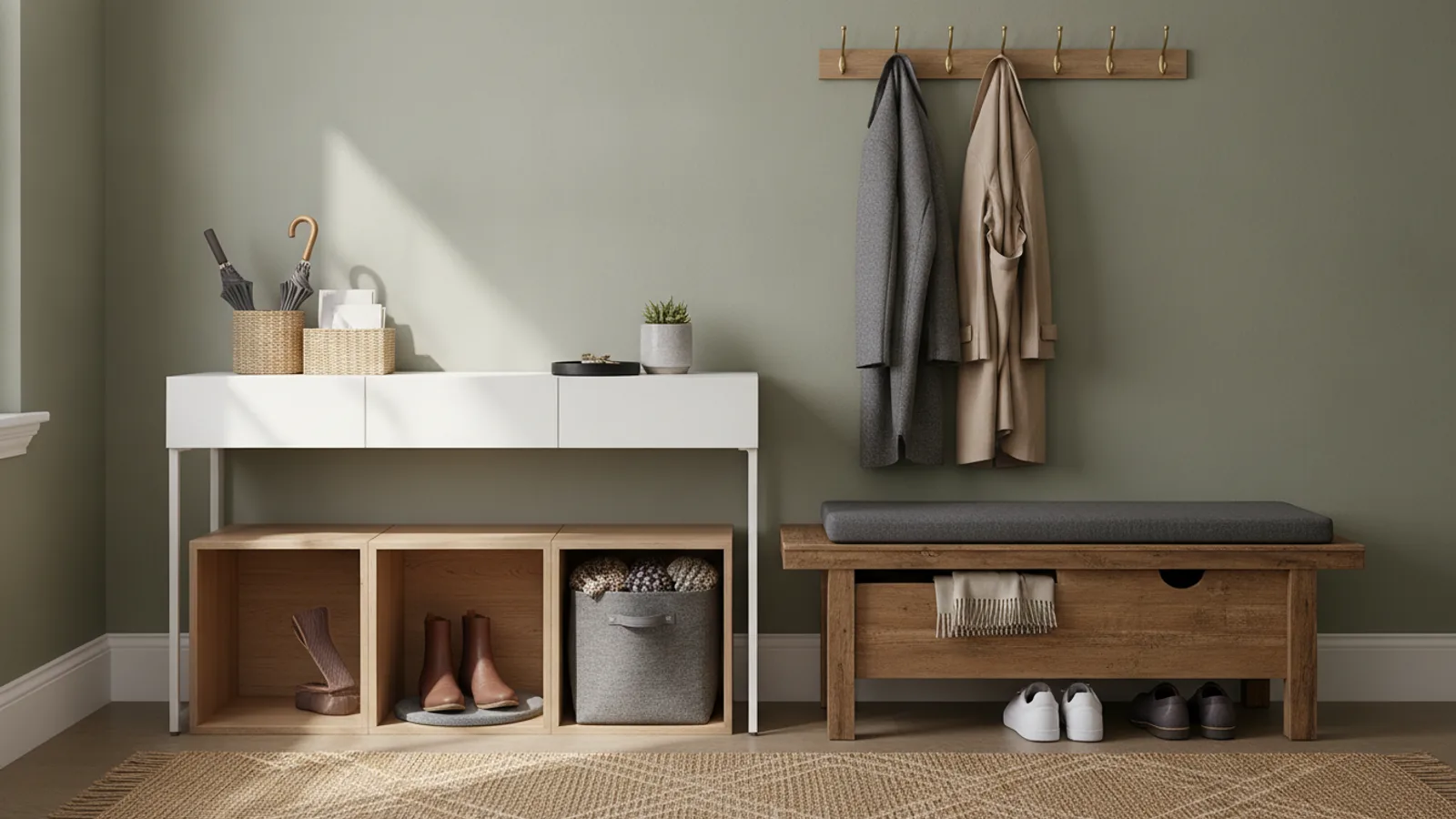
- Designate a 'landing strip' near the door where you put keys, mail, and bag hooks, so everyday items have a home and don't pile up on counters.
- Rotate your reset priorities weekly to cover different areas over time, like one weekend focusing on kitchen, next on bedroom, so no zone gets neglected.
Final Checklist
- Have you identified exactly three trouble spots that impact your daily stress the most?
- Did you gather a trash bag, donation box, and relocate bin before starting your sorting?
- Did you spend no more than 25 minutes on each trouble spot and take a 5-minute break?
- Did you stop after the two-hour reset and acknowledge your accomplishments in writing?
FAQ
How often should I do a weekend home reset?
Aim for once a week, ideally on Saturday morning, to prevent clutter from accumulating. If you miss a week, don't double up—just start fresh the next weekend. Consistency is more important than perfection, and a weekly reset keeps your home functioning smoothly.
What if I have a very small living space?
Focus on surfaces and vertical storage. Use the same three-box method, but your 'relocate' bin may be a simple basket for things that belong in a different room. Use stackable bins or hooks to maximize vertical space. The reset principle remains: target the top stress spots, and adapt the duration to your pace.
Can I do a reset if I have limited physical energy?
Absolutely. Break your reset into shorter session increments, even 10 minutes at a time. Use a stool or chair to sit while sorting, and focus on low-energy tasks like making the bed or clearing a table. The key is to do something, even small, and always stop before you feel exhausted.