What To Check Before A Weekend Home Reset With Realistic Priorities
A practical step-by-step guide to what to check before a weekend home reset with realistic priorities, including preparation, instructions, common issues, tips, and next steps.

What To Check Before A Weekend Home Reset With Realistic Priorities
This guide helps you prepare for a weekend home reset by prioritizing tasks that restore order and calm without overwhelming yourself. It focuses on high-impact areas like surfaces, floors, bathrooms, and kitchen, while offering realistic time management, quick wins, and strategies to maintain the reset momentum throughout the weekend. You'll learn how to assess your home's needs, gather supplies, create a flexible plan, and execute tasks in a sensible order, with practical tips for staying on track and preventing common setbacks. The goal is a refreshed, functional living space that supports relaxation and productivity, achieved through thoughtful prioritization and simple habits.
Fast Answer
- Focus on high-traffic areas first: clear clutter from living spaces and entryways, then tackle the kitchen and bathroom surfaces, as these have the most visual and practical impact.
- Set a realistic time frame, like two hours each morning and afternoon, and choose no more than five main tasks, such as tidying, vacuuming, wiping counters, cleaning the toilet, and changing bedding.
Before You Start
- Walk through each room with a notepad or phone and write down the top three things that bother you, so you can see the highest priority areas at a glance.
- Gather all cleaning supplies in a portable caddy: all-purpose cleaner, microfiber cloths, glass cleaner, scrub brush, and trash bags, so you don't waste time hunting for items.
- Set a timer for each major task, such as 30 minutes for decluttering a counter, to keep you from spending too long on any one spot and to maintain a steady pace.
- Clear a small staging area, like a box or basket, for items that belong elsewhere, so you can quickly move things to their proper rooms without getting sidetracked.
Step-by-Step Instructions
Clear the Clutter from Surfaces
Start by moving through your main living areas and collecting items that do not belong on tables, counters, or floors. Grab a basket or box and place anything that has another home inside. Focus on one surface at a time, like the coffee table, kitchen counters, or entryway bench. Work quickly without reading mail or examining items deeply. As you go, sort into three groups: keep, relocate, or throw away. Then immediately put the relocate group in its proper room, place the keep group in a designated spot, and toss the throwaways. This step reduces visual noise and makes every other cleaning task easier because you have open space. It also gives you a feeling of control and accomplishment right away, which builds momentum for the rest of your reset. Keep this step to 30 minutes maximum to avoid getting lost in organizing details.
Wipe Down Kitchen Counters and Sink
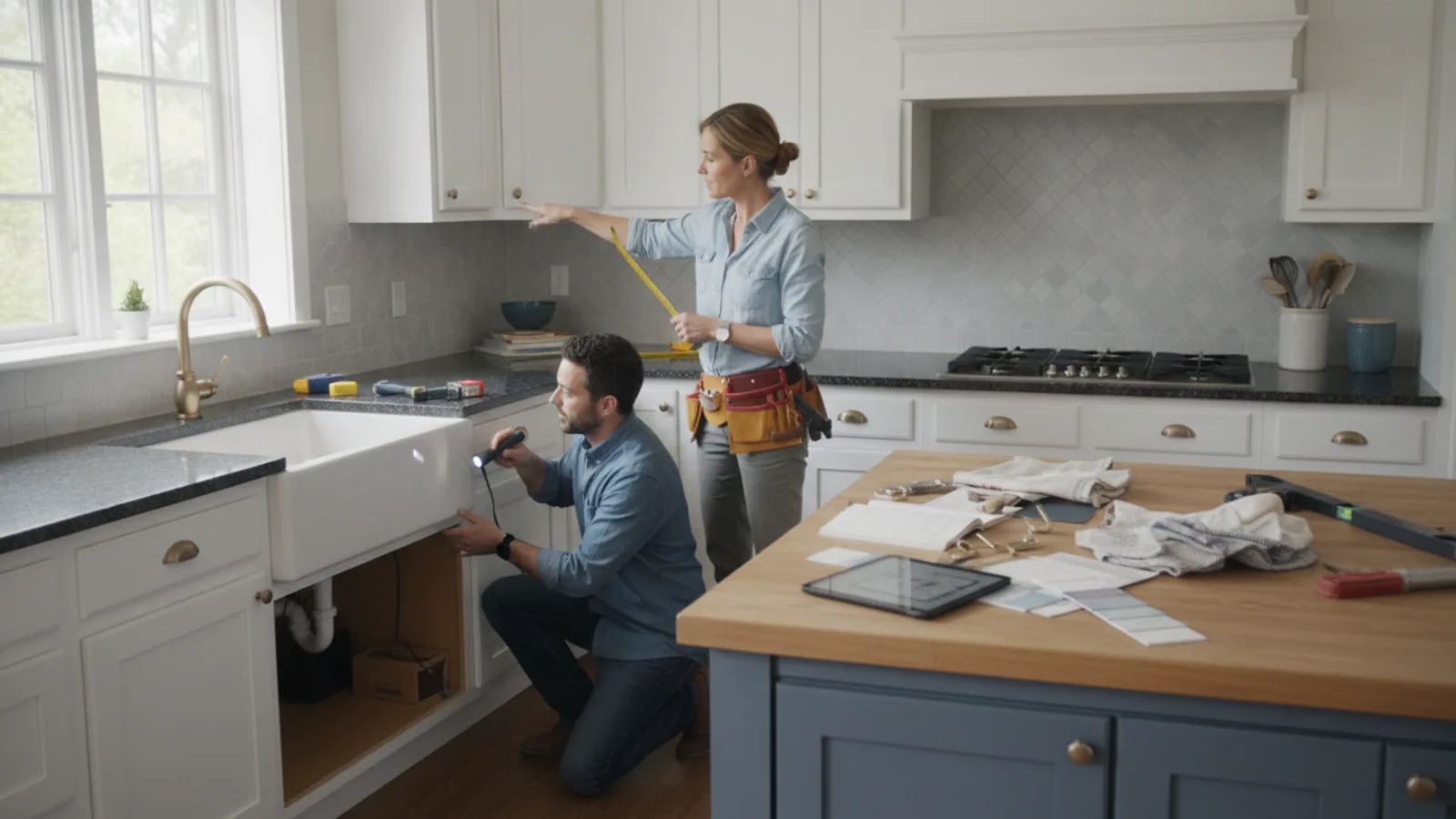
After decluttering, focus on the kitchen because it quickly becomes the heart of the home. Spray the counters with an all-purpose cleaner and wipe them with a microfiber cloth, paying attention to areas around the stove, coffee maker, and toaster. Then clean the sink by scrubbing the basin with a sponge and cleanser, and wipe the faucet and handles. Be sure to dispose of any food scraps and take out the trash if it is full. This task not only creates a visible difference but also reduces germs and odors. A clean kitchen makes it easier to prepare meals and feel good about your home. It also sets a standard for the rest of the weekend, because you can see and appreciate the result. Aim to finish within 20 minutes, and afterwards, put away any dish soap or brushes you used so the area looks tidy.
Refresh the Bathroom Surfaces and Toilet
Move to the bathroom and do a quick but thorough refresh. Spray the counter, sink, and mirror with a glass or all-purpose cleaner and wipe them down. Then clean the toilet by applying a cleaner under the rim and inside the bowl, scrubbing with a toilet brush, and flushing. Wipe the outside of the toilet, including the lid and handle, with a disinfecting wipe. Also replace the hand towel with a fresh one. This step sanitizes the most-used area in the home and prevents the buildup of soap scum and grime. A clean bathroom feels welcoming and reduces stress during your daily routines. It also prevents the need for a deep scrub later. Keep your supplies handy, and wear gloves if you prefer. Finish in 20 minutes, and double-check that you have not left any streaks on the mirror.
Vacuum and Spot-Clean Floors
With surfaces clear, it is time to handle the floors. Run a vacuum over all high-traffic areas, such as the living room, hallway, and kitchen. Use attachments to reach under furniture edges and along baseboards. If you have hard floors, sweep first, then mop the kitchen and entryway with a damp mop and a floor cleaner. For carpets, use a spot cleaner on any visible stains you notice. This step removes dust, pet hair, and crumbs that accumulate rapidly and affect indoor air quality. Clean floors visually complete the room and make it comfortable to walk barefoot. It also helps maintain your flooring’s condition by grinding dirt away. Take your time, but set a 30-minute limit, as you can always do a more thorough job later. Afterwards, empty the vacuum canister or bag so it is ready for next time.
Change Bed Linens and Fluff Pillows
Move to the bedroom and focus on the bed, because a tidy bed transforms the look of the whole room. Strip off the used sheets and pillowcases and replace them with fresh, clean ones. Shake out the pillows, and if they are washable, put them in the laundry now. Fluff the duvet or comforter and arrange it neatly. If you have a mattress protector, ensure it is in place. This simple task takes less than ten minutes but gives you a calm, inviting space to rest after a busy day. Fresh linens also reduce allergens and improve sleep quality. Making the bed as soon as you do this will keep the room looking neat for the rest of the weekend. When you are done, take the dirty linens to the laundry basket so they are out of sight.
Do a Final Reset and Tidy Check
Now that the primary tasks are done, do a final walkthrough with a laundry basket in hand. Start in the main living area and look for any lingering items that have drifted in: remote controls, books, toys, or cups. Put them back in their rightful places. Wipe down any smudges you notice on doors or switches. Fluff the cushions on the sofa and straighten any rugs. Then look into each room to ensure that every surface is clear and that trash cans are empty. This step seals the reset and prevents the afternoon slump that often undoes progress. It takes only ten minutes but reinforces the sense of accomplishment. After this check, take a break to enjoy your clean home, but keep a small basket near the entryway so that future items have a temporary home, making the next reset faster.
Quick Reference
| Situation | Action | Why it helps |
|---|---|---|
| You have less than two hours total for the reset due to other commitments. | Choose only three tasks: clear surfaces, wipe kitchen counters and sink, and do a 15-minute vacuum of main walkways. Skip bathrooms or floors that are less visible. | Those three tasks give the most visual impact and reduce clutter, so the home feels noticeably better even with limited time. |
| You feel overwhelmed by the number of rooms and do not know where to start. | Start with the entryway and living room, because those are the first and most used areas. Clear surfaces, vacuum, and then move to the kitchen. | Tackling the highest-traffic spaces first creates a sense of immediate progress and makes the rest of the home feel less intimidating. |
| You keep getting distracted by small repairs or organizing projects during the reset. | Write down any repair or organizing idea on a notepad and stick to your original list of tasks. Do not begin any new project. | Recording thoughts lets you focus on finishing the reset without losing ideas, and prevents the disappointment of a half-done project. |
Common Issues
- You spend too much time on one tiny task, like rearranging a bookshelf, and run out of energy for the main rooms.: Set a timer for every task, and when it beeps, move on no matter how unfinished it seems. Return to the task later only if you have extra time. Prioritize high-impact areas first.
- Clutter piles up again within a few hours because there is no designated home for items.: Create a simple landing zone near the entrance with a basket for keys and mail, and assign a drawer or shelf for each room’s miscellany. After the reset, spend five minutes each evening putting things back.
- You avoid starting because you think you need specific cleaning products or tools you do not have.: Use what you have at home, like dish soap, baking soda, and vinegar, which work for most surfaces. You only need a vacuum or broom, so begin with the essentials.
Advanced Tips
- Create a weekend reset playlist with upbeat music and coordinate each song to a task, so you know to switch tasks when the tune changes.
- Use a cordless vacuum or a dust mop with disposable sheets to make floor cleaning so easy you can do it without much thought.
- Store secondary items, like rarely used appliances or seasonal decorations, in labeled bins in a storage closet, so they stay out of sight until needed.
Final Checklist
- All main surfaces in living room, kitchen, and bathroom are clear of stray items and wiped down.
- Kitchen sink is empty, cleaned, and no dishes are left in the counter or sink.
- Bed is made with fresh linens, and pillows are fluffed and arranged.
- Floors in high-traffic areas are vacuumed or swept, and trash bins are empty.
FAQ
How often should I do a weekend home reset?
Most people benefit from a reset every two to four weeks, depending on how busy your household is. A weekly light tidy and a deeper reset every other weekend can keep your home consistently comfortable. Adjust the frequency based on how quickly clutter and mess appear.
What if I only have one hour on Saturday and one hour on Sunday?
You can still make progress. On Saturday, spend the hour clearing surfaces and doing the kitchen. On Sunday, spend the hour on the bathroom and a quick vacuum of the main walkways. This splits the workload and leaves you with a noticeable improvement.
How do I keep my home from getting messy again within a few days?
After the reset, adopt a simple rule: never leave a room without taking one item that does not belong there. Also, do a ten-minute tidy each evening, focusing on the kitchen counters and living room floors. These small habits prevent mess from accumulating.