How To Plan Choosing Durable Fabrics For A Busy Household
A practical step-by-step guide to how to plan choosing durable fabrics for a busy household, including preparation, instructions, common issues, tips, and next steps.
How To Plan Choosing Durable Fabrics For A Busy Household
Choosing durable fabrics for a busy household means balancing strength, ease of care, and comfort. This guide helps you evaluate fabric options by considering weave, fiber, and finish. You'll learn to identify high-traffic areas, test fabric resilience, and select materials that withstand daily wear, spills, and frequent cleaning. Practical steps include assessing your needs, understanding fabric terminology, requesting swatches, performing simple rub and water tests, and making informed choices for upholstery, curtains, and linens. The goal is to create a home that looks good and functions well despite the chaos of everyday life.
Fast Answer
- Look for tightly woven fabrics with a high thread count or a durable weave like twill or canvas; these resist abrasion and hold up to daily use.
- Choose performance textiles labeled as stain-resistant or easy-clean, and always check the care label for washing or professional cleaning instructions.
Before You Start
- List each room's purpose and the level of traffic it receives, noting areas where kids or pets sit, eat, or play.
- Collect fabric samples or swatches from stores or online; you'll need at least a few options to compare.
- Gather simple testing tools: a coin or key for scratch tests, a small spray bottle with water, and a clean cloth for blotting.
- Review care labels on current fabrics in your home to see which ones have already survived or failed your household conditions.
Step-by-Step Instructions
Assess Your Household's Wear Patterns
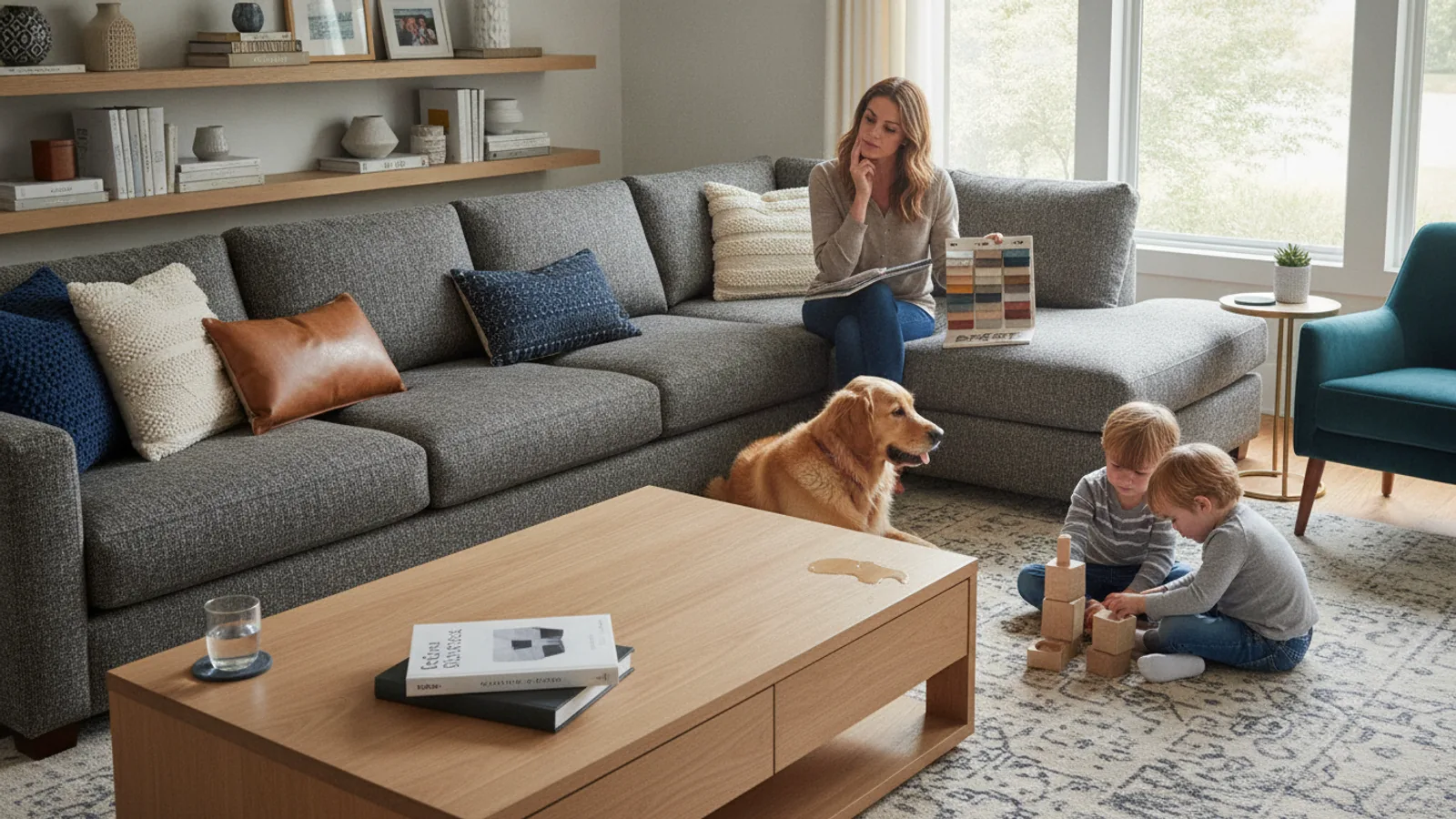
Begin by observing how your family actually uses each room. Note where people sit most often, where spills happen, and where pets lounge. A busy household might have a cozy family room with heavy TV watching, a dining area with frequent meals, or a playroom with active children. Write down the specific activities that could damage fabric: sliding, jumping, rubbing, or contact with sharp toys. Then, rate each area as low, medium, or high traffic. Low traffic could be a formal living room used only for guests, while high traffic is a hallway or a den where everyone gathers daily. This assessment guides your fabric priorities—a high-traffic spot needs tougher fabric than a guest bedroom that's rarely used. Also consider the type of wear: is it mostly friction from sitting, or is it more about spills and stains? Sunlight exposure through windows can also fade fabric, so note which windows get direct sun. By identifying these patterns, you create a clear checklist for what each fabric must withstand. This step is the foundation for every later choice, so take the time to be thorough. If you're unsure, ask family members for their input. Once you have this map, you'll know which rooms need the highest durability and which can afford softer, more delicate fabrics.
Understand Key Fabric Durability Factors
Fabric durability is influenced by fiber, weave, and finish. Natural fibers like cotton and linen are breathable but may wear quickly; synthetic fibers like polyester and nylon are often more resilient. Wool is naturally stain-resistant and durable but can be heavier and warmer. For busy households, blends that combine natural and synthetic fibers often give the best balance. Weave matters too: a tight weave like twill, canvas, or denim resists snagging and abrasion better than a loose weave like plain or satin. Look for a high thread count for woven fabrics, as it indicates a denser construction. Finishes add protection: a stain-resistant or water-repellent finish makes cleaning easier. Also, consider the fabric's ability to hold up to sunlight; some dyes fade quickly. Check the care label for cleaning instructions: if it says 'dry clean only,' that adds cost and effort, which may not suit a busy household. Instead, choose a fabric that can be machine washed or spot cleaned easily. The Martindale rub test, which measures abrasion resistance, is a standard industry rating; higher numbers indicate better durability, though you may not see this rating on product labels. If the fabric doesn't have a performance rating, ask the retailer or manufacturer for details. Understanding these factors will allow you to compare fabrics logically rather than by feel alone, ensuring your choices have the best chance of surviving real-life use.
Identify High-Performance Fabric Options
Some fabric types are known for exceptional durability and ease of care. For upholstery, look for options like microfiber (a tightly woven polyester) that repels liquids and resists stains, making it a favorite for homes with kids or pets. Outdoor fabrics, often made of solution-dyed acrylic or polyester, are designed to withstand sun, moisture, and heavy use, so they work well in indoor living spaces that get lots of action. Crypton fabric is a high-performance material with a protective barrier that resists spills and bacterial growth, though it may come at a higher cost. For curtains and drapes, consider heavier fabrics like polyester blends or performance linens that are both durable and easy to wash. When choosing any fabric, ask the salesperson or retailer if the fabric has been tested for abrasion, tear strength, or colorfastness. If possible, request a sample and subject it to your own tests: rub a coin across the surface to simulate friction, or spill a few drops of water to see how quickly it beads up. Remember, no fabric is completely indestructible, but some are much better suited to busy households than others. Look for the most robust option within your aesthetic preferences and budget. Also, consider the fabric's resistance to pilling, which can make a surface look worn and fuzzy. Finally, keep in mind that darker colors and patterns may hide stains better than light, solid colors.
Perform Simple Home Tests on Swatches
Once you have swatches of candidate fabrics, conduct simple tests to see how they hold up. Start with a scratch test: rub a coin, key, or fingernail across the fabric surface about ten times. Look for fraying, pilling, or visible threads. Next, do a water test: drop a small amount of water onto the fabric and observe whether it beads up on the surface or soaks in immediately. If it soaks in quickly, it will likely stain easily. Blot the water with a clean cloth—if the water spreads or leaves a shadow, that's a warning. You can also test for colorfastness by rubbing a damp white cloth on the fabric to see if color transfers. For a more rigorous test, try sliding the fabric against itself or a rough surface to simulate daily friction. Remember to test from the back side as well, as some fabrics have protective treatments only on the front. These tests are not scientific, but they give you a practical sense of how the fabric will behave. If a fabric fails any test, you may want to pass on it. If it passes, that's a good sign. In addition, read the care label and ask the store if you can machine wash a small swatch to see how it holds up to cleaning. Doing these tests now can save you from buying a whole sofa's worth of fabric that won't survive a month.
Match Fabric to Each Room's Needs
Use the information from your earlier assessments and tests to match the right fabric to each living space. For high-traffic areas like a family room or playroom, prioritize fabrics that are tightly woven, stain-resistant, and easy to wipe clean. A fabric with a performance finish such as water-repellent or antimicrobial can be a lifesaver for spills and daily wear. For dining areas, choose a fabric that resists liquids and can be wiped down with a damp cloth; avoid highly textured fabrics that trap crumbs. In bedrooms that are used mainly for sleeping, you can opt for softer, more comfortable fabrics as long as they are still practical to wash. For home offices or study areas, consider durability against fading from sunlight and abrasion from chairs. When in doubt, go with a durable neutral fabric and use removable covers or throws that you can wash. Also, think about how the fabric will be used: if it's for curtains, you may not need extreme durability but will need good lightfastness. If it's for a slipcover, easy removal for washing is key. Remember to consider the color and pattern because they affect how often you'll need to clean. A small sample of the fabric in the room will help you visualize. Finally, always order a larger swatch and live with it for a few days to see how it looks in different lighting and how it feels to the touch. This step ensures you are making a choice that is both practical and pleasant for each room.
Make Your Final Choice and Care Plan
After testing and comparing, select the fabric that best meets your durability requirements and fits your style. Before finalizing, double-check the care label and confirm you are prepared to follow its care instructions. If the fabric requires regular professional cleaning, factor that time and cost into your decision. Once you've made your choice, establish a care routine to extend the fabric's life: vacuum upholstery regularly to remove grit, blot spills immediately with a clean cloth, and follow the manufacturer's guidelines for spot cleaning. For removable covers, set a schedule for washing or cleaning as directed. Consider using fabric protectors or sprays, but always test them on an inconspicuous spot first. If you buy new furniture, keep the care label accessible for reference. Finally, accept that even durable fabrics will eventually show signs of wear; that's normal in a busy household. By choosing wisely and caring for the fabric properly, you can enjoy your furniture for years without constant worry. Remember that your home should be functional, and the right fabric will help you maintain a balance between beauty and practicality. If you're still unsure, consult a professional upholsterer or interior designer who can provide personalized advice based on your specific needs and budget.
Quick Reference
| Situation | Action | Why it helps |
|---|---|---|
| You have kids who spill juice on the couch often. | Choose a fabric with a stain-resistant finish such as microfiber or a performance polyester; immediately blot spills with a clean cloth and use a mild soap solution for cleaning. | Stain-resistant finishes help liquids bead up, giving you time to clean without leaving permanent marks, which keeps the couch looking good longer. |
| Your family sits in the same spot every evening, causing the fabric to wear thin. | Select a tightly woven fabric like twill or canvas, and use a throw blanket or cushion in that high-wear area to reduce friction on the fabric. | Tight weaves withstand abrasion better, and adding a protective layer spreads the wear, extending the life of the upholstery. |
| A pet scratches at the furniture, causing snags and pulls. | Opt for a pet-resistant fabric such as a synthetic microfiber or a tightly woven canvas; trim your pet's nails regularly and use a scratching post nearby to divert their attention. | These fabrics have smoother surfaces that resist snagging, and keeping nails trimmed reduces the chance of pulling threads, maintaining the fabric's appearance. |
Common Issues
- Fabric pills or looks fuzzy after a few weeks of use.: Use a fabric shaver to gently remove pills, and vacuum the surface with an upholstery attachment to remove loose fibers; also consider a tighter weave for future purchases.
- Spills leave dark stains that don't come out with normal cleaning.: Blot the stain immediately with a dry paper towel to absorb liquid; then use a mixture of mild dish soap and water, blotting from the outside edge inward; avoid rubbing, as it can set the stain. If the stain persists, consult a professional upholstery cleaner.
- Fabric fades in areas that get direct sunlight.: Use window treatments like blinds or sheer curtains to reduce UV exposure, rotate cushions regularly to even out fading, and consider choosing a fabric with a high colorfastness rating for future purchases.
Advanced Tips
- Consider fabric with a high Martindale abrasion rating (above 30,000 rubs) for the toughest areas, although this may be a premium feature; ask your retailer for the rating if it's not listed.
- Look for fabrics labeled 'solution-dyed' because the color is mixed into the fiber, making them more resistant to fading from sunlight and cleaning chemicals.
- Before purchasing a large amount, order a yard of the fabric and make a sample pillow or cushion cover to test in your home for a few weeks; this real-world test is more telling than a swatch.
Final Checklist
- Identify all high-traffic zones and list specific wear patterns for each room.
- Request multiple swatches and run your own scratch, water, and colorfastness tests.
- Verify care instructions and confirm you're willing to follow them regularly.
- Match fabric durability to each room's needs, prioritizing performance for kitchens and playrooms.
FAQ
What is the most durable fabric type for upholstery?
Synthetic fabrics like polyester, nylon, and microfiber are generally very durable. Look for tight weaves and high rub counts. Leather is also durable but may show scratches and requires maintenance. A blend of synthetic and natural fibers can offer a good balance of durability and comfort.
How can I test a fabric's stain resistance at home?
Place a few drops of water or a common liquid like coffee on an inconspicuous area. If the liquid beads up, the fabric has some water repellency. If it soaks in quickly, it will likely stain easily. Blot the liquid with a paper towel and note any shadow left behind.
Is it better to choose a lighter or darker fabric for a busy household?
Darker colors and patterns tend to hide stains and general wear better than light, solid colors. However, they can show dust and pet hair more visibly. Choose a color that matches your lifestyle and is easy for you to maintain. Also consider that fade is less noticeable on patterned fabrics.